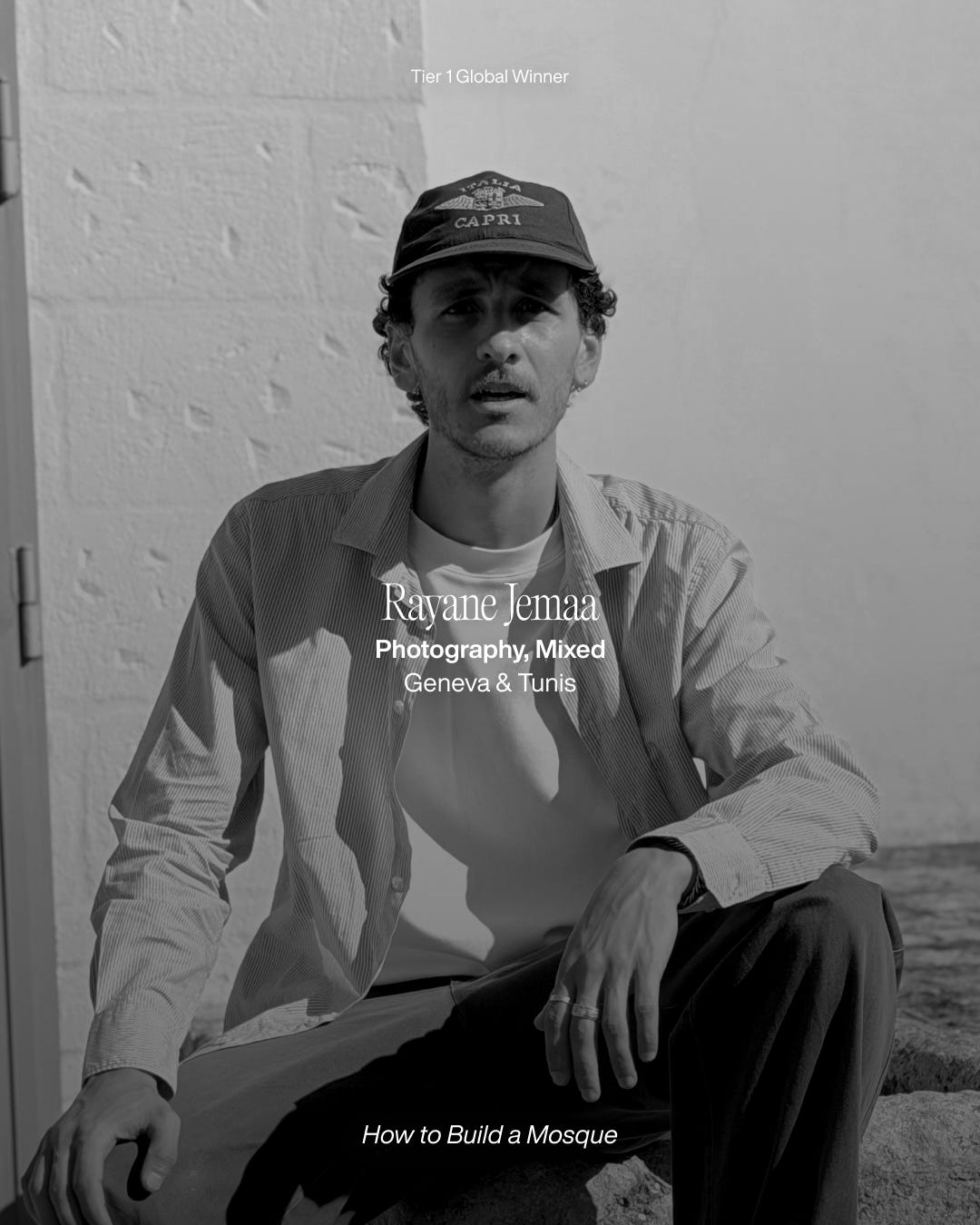
What is the foundational theme or question that drives your current practice?
In the last few years I’ve spent a lot of time interested in dissecting the way computational media are constructed. Game engines, 3D models and artifacts specific to digital world-building are recurring subjects of investigation in my work - treating these systems not as tools but as objects of inquiry. I work a lot not only on questioning these frameworks from a technical standpoint but also a cultural one. I draw a lot from my personal background and upbringing where questions of identity and belonging were always present.
As an example, my project “Is This the Middle East?” (2020 present) is an investigative look at video games based in the SWANA region. During COVID I revisited games I hadn’t played since childhood, and noticed patterns I weren’t able to notice when first playing them. One of the first things I realized was how a lot of these games use Arabic writing to set the scene, yet often the writing is gibberish or meaningless. It was a good example of who these games are intended for and how decoration can pose as culture. Being Tunisian and growing up in Europe placed me in a strange position of both consuming and being represented by the same media, which in turn allowed me to notice patterns that might be invisible to someone else, and even myself as a child.
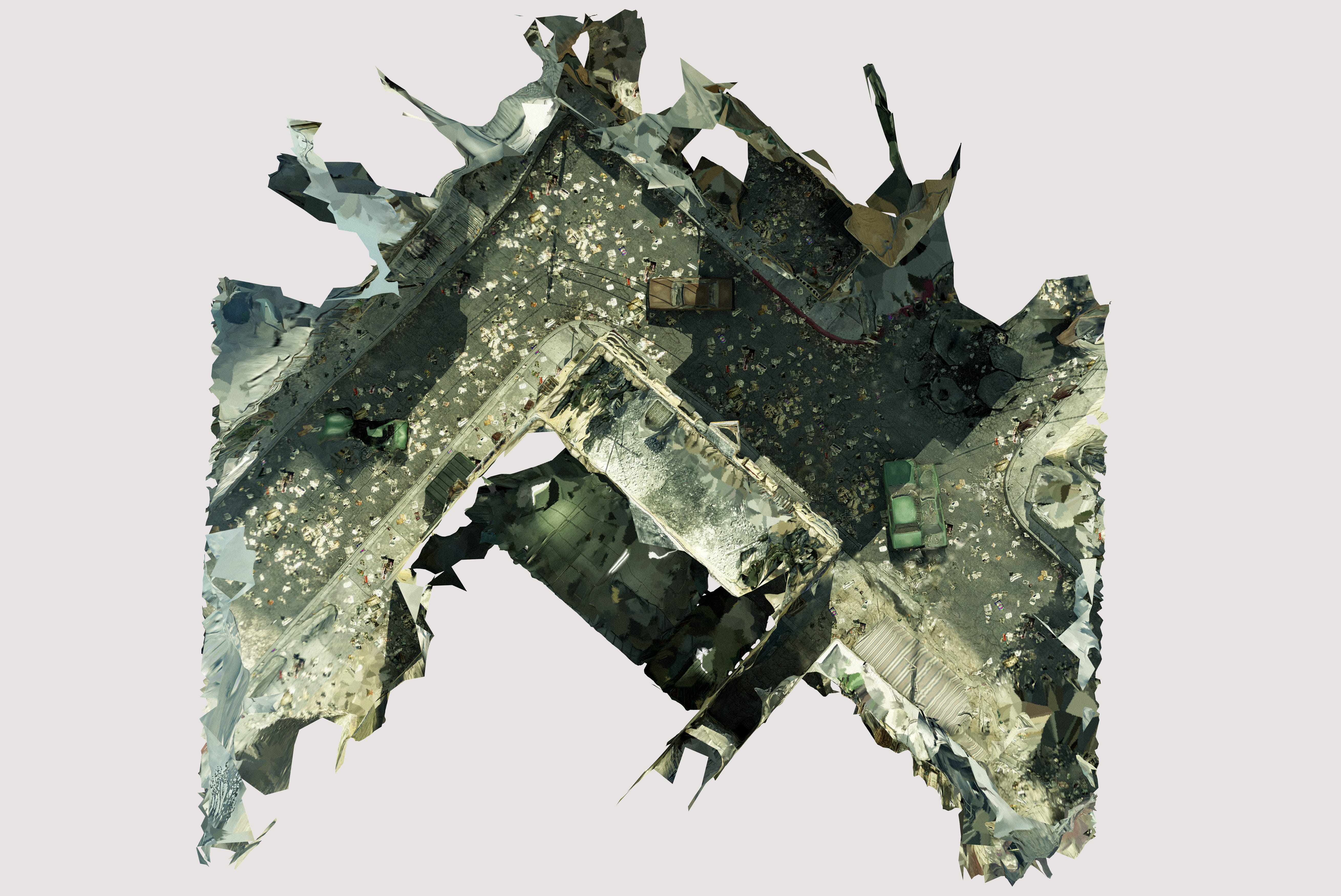
On a second aspect I was specifically interested in the way these games are made from a technical standpoint, and how someone had physically built the environment of the game. To explore these ideas I started archiving screenshots of as many games claimed to be set in the SWANA region in hopes of answering the question of “what is the Middle East according to these games”. Screenshots were useful but ultimately I was interested in the physical 3d data in the games - the models themselves.
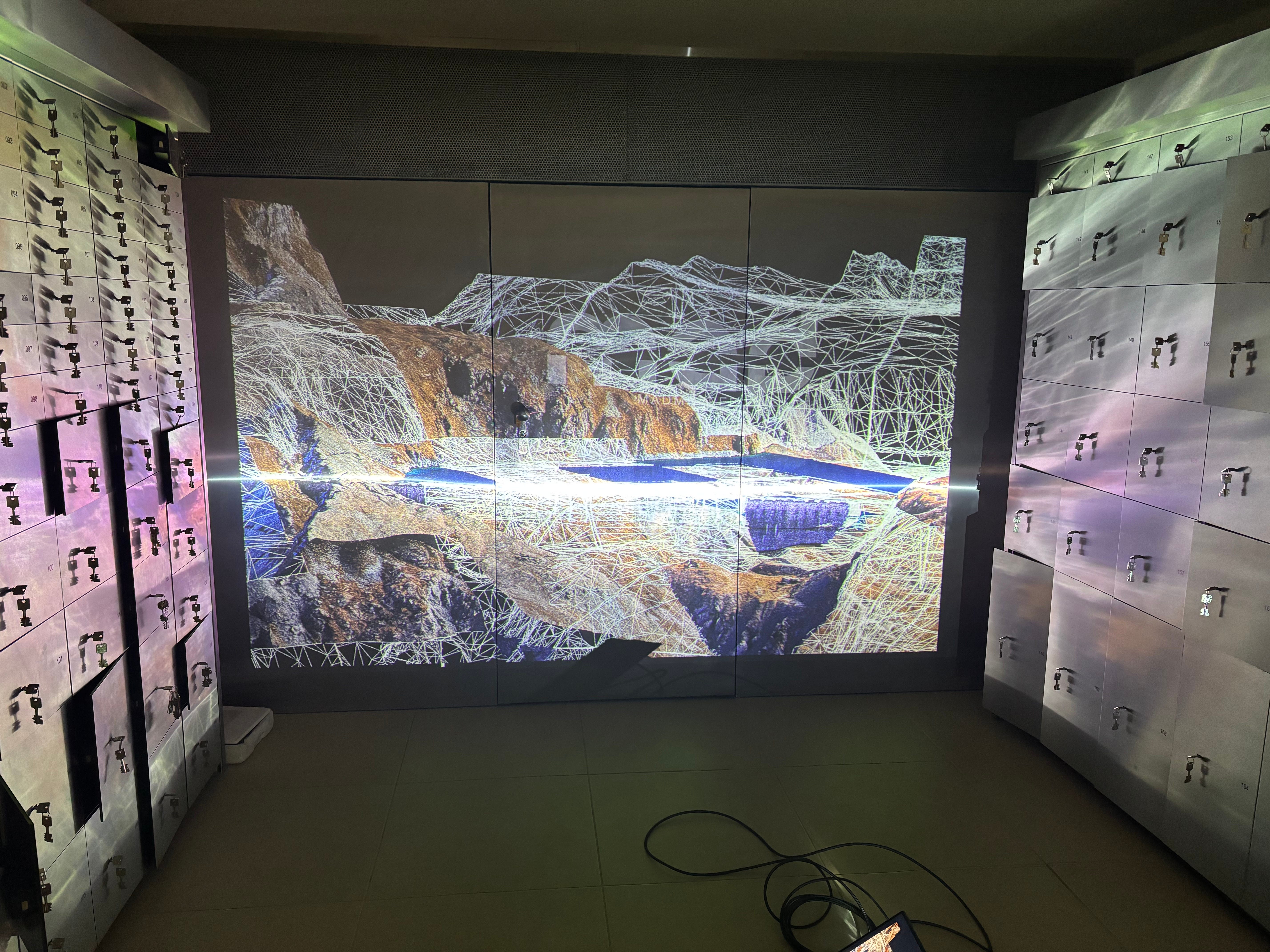
After a lot of R&D I came up with a system to “extract” the models from their games using photogrammetry (a technology consisting of taking hundreds of screenshots to reconstruct 3d environments). This allowed me to archive the scenes in a much more dynamic and photographic way, similar to a photojournalist. Instead of still screenshots I could build an entire library from 3D models extracted from games. The result was initially a website installation where users could interact with all the artefacts I gathered. Later it was also developed into VR, video and print. I’m always adapting the project to where it’s going to be shown. A key part of the process was introducing a sense of distortion -- by extracting these scenes from their original context they begin to feel uncanny. I’ve had many people ask me what they were looking at - real photographed places, illustrations or something completely different.
How does the physical act of creating your work translate the abstract concepts in your head?
My practice is very research-driven and usually starts with a research question. But equally, I’m not an academic or anthropologist - I’m an artist first so the way I convey my ideas is through the work itself. My work is largely influenced by photography with image-making at the core of my practice. I rarely use a physical camera but my work is always shaped and borrowing codes from traditional photography. My relationship to image-making started young from skateboarding. It gave me a very specific visual culture that skateboarders know all too well. I carry this way of seeing the world and directly or indirectly it’s impacted my work today.
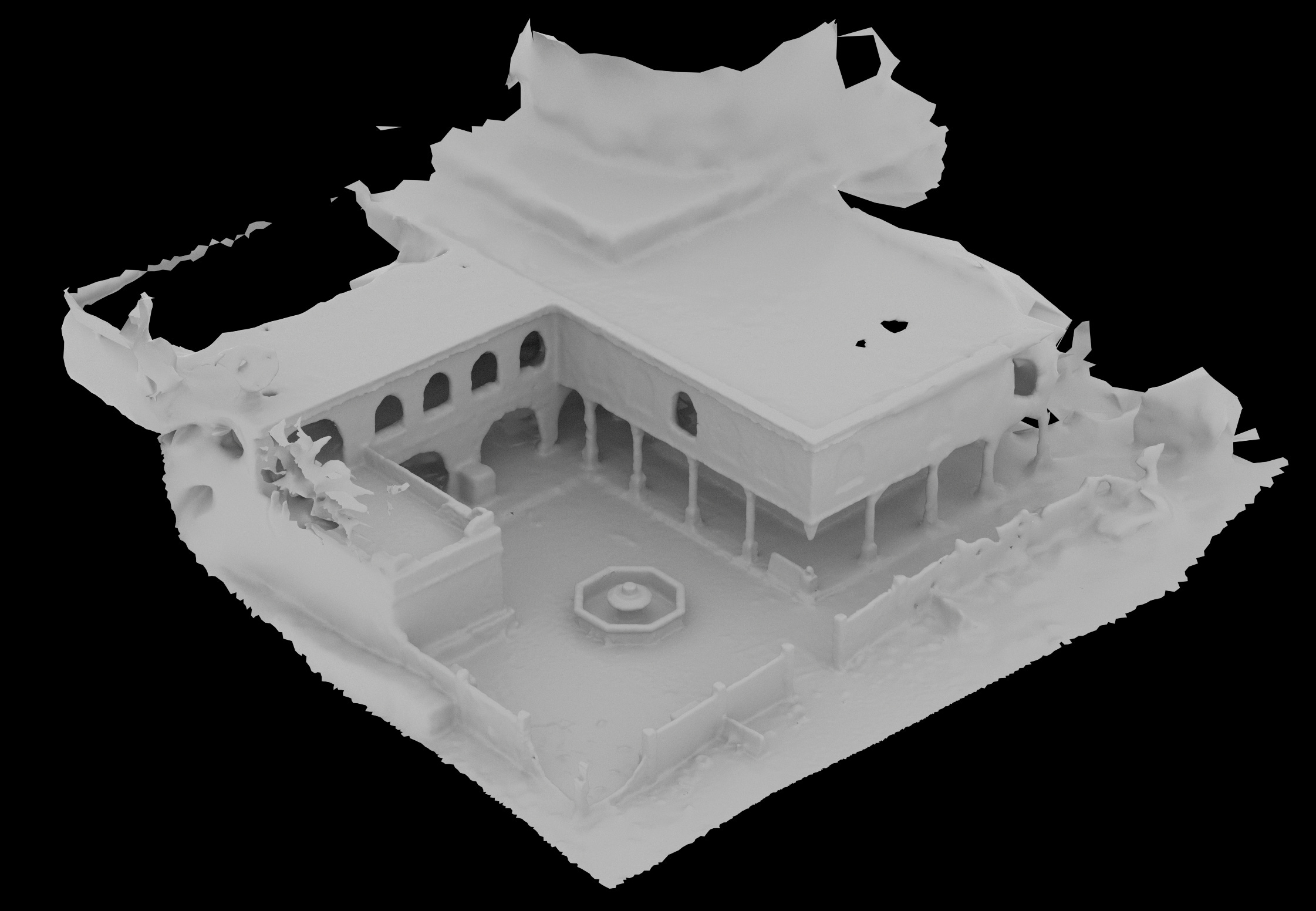
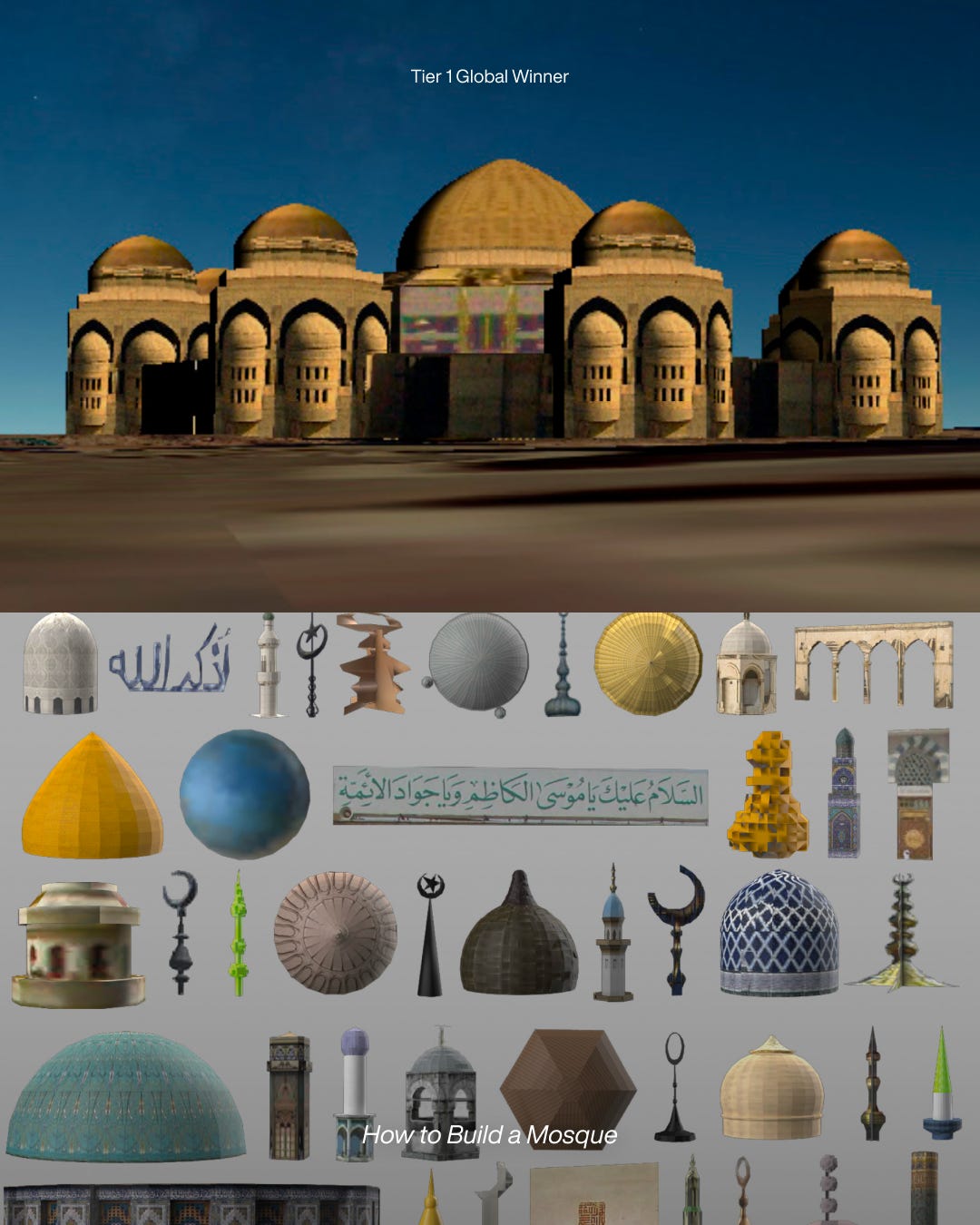
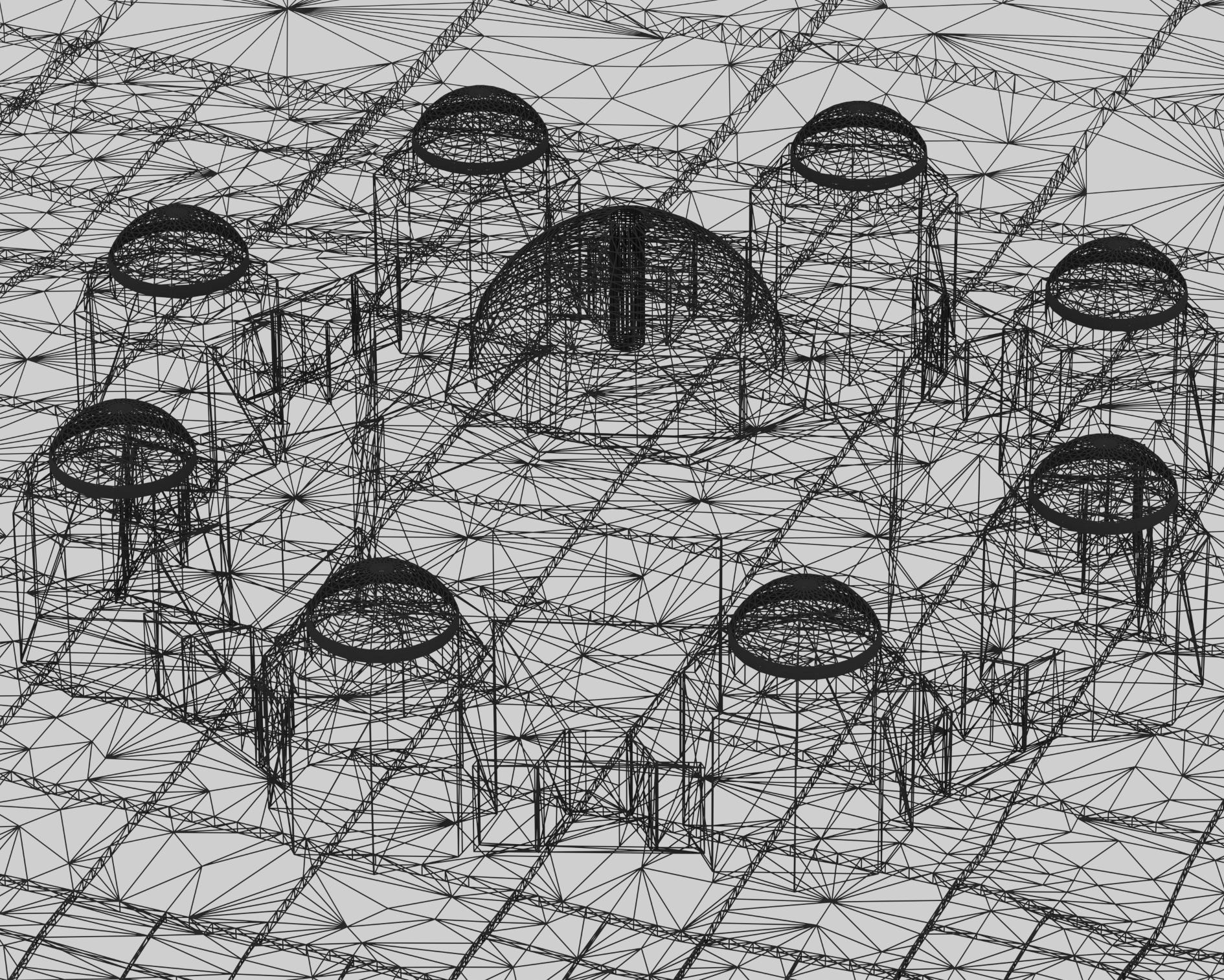
My series How to Build a Mosque from my project dome.prefab uses 3D rendering to reframe how religious architecture is translated into digital building systems. What’s interesting is that mosque models are freely available on asset marketplaces. You can download one the same way you’d download a chair or a lamp. In that process of commodification something gets flattened. The Mosque becomes a prop, stripped of its material and cultural specificity ready to be dropped into any scene. The Mosque is used as a lens for a broader question of how digital systems handle material and cultural forms, and how these are circulated, distorted or reshaped. Similar to my work in “Is This the Middle East?”, I use custom-built techniques to extract, virtual assets from game engines, Google Earth, or purchased models from asset marketplaces.
So I’m constantly juggling between research and unorthodox ways of image-making to convey my research questions, and it always starts off with a genuine curiosity of how a pipeline works and the code behind it. I sometimes also step away from the screen. For the last year I’ve been working on a custom engraving technique to explore translating codes unique to digital worlds on material surfaces. “Seasonal Caprice” is a series of engravings where I erase dry pastel on paper using a lasering machine. I use Google Earth terrain data to explore how computational systems render the world, where a highway in Los Angeles and a mountain peak in the Alps are processed identically. Seasonal Caprice places this within a long history of landscape image-making, from the Capriccio paintings of Canaletto and Guardi to the satellite composites of today.
How do contradiction and balance naturally play out in your everyday creative routine?
There are several ways I could answer this question. Like I mentioned before, my practice sits between research and image-making intended to be experienced. I believe visual language is often the most direct way to communicate an idea, which is why I approach my work first and foremost as an artist.
At the same time, I’m constantly negotiating a contradiction around the role of aesthetics. My work often deals with hidden politics and questions of representation, and I’m very aware of the paradox of producing images that are visually compelling while also critically engaged. In Is This the Middle East?, which examines representations of the Arab world in video games, the resulting images have their own distinct aesthetic presence. There is always a risk that the viewer engages primarily with the surface of the image, which can unintentionally reinforce the very stereotypes the work is trying to question. For that reason, framing becomes crucial. In that project, I used an ironic title as a first point of entry, already asking the viewer to question what they are about to see.
In How to Build a Mosque, the dynamic is slightly different. Here I work with 3D assets that are constantly downloaded, exchanged, and circulated across platforms. In this process, the model itself can become altered or stripped of its original context through repeated reuse, a kind of feedback loop where geometry and texture gradually lose clarity or meaning.
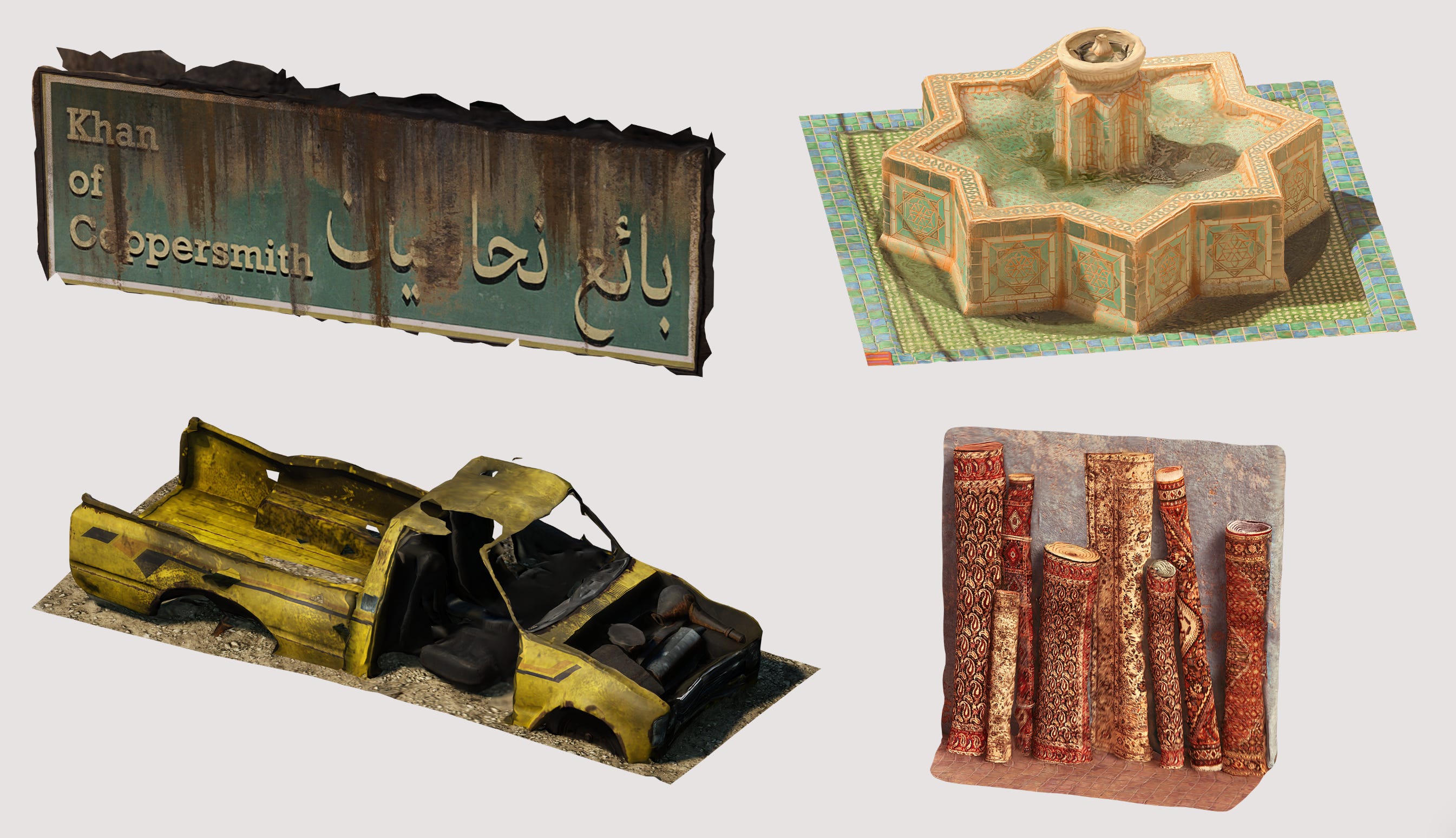
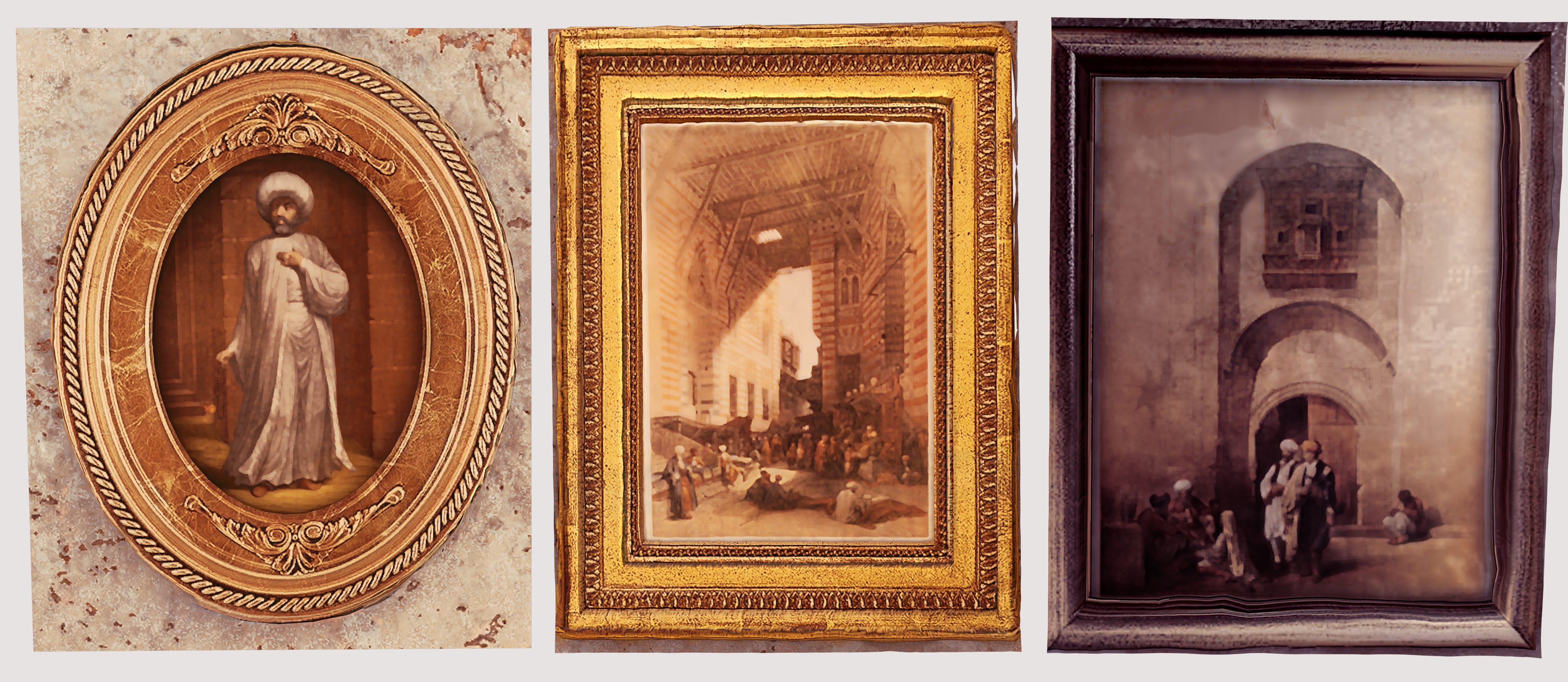
More broadly, one of the recurring themes in my work is the relationship between physical environments and their computational representations. I’m interested in what happens in the space of translation between the two, and what kinds of meaning are produced there. For example, while working on Is This the Middle East?, I became interested in collecting digital artefacts from games set in the region. It was interesting to find 19th-century Orientalist paintings embedded within these virtual environments, images that originally circulated in European art contexts, reappearing inside games produced largely by Western studios. That layering of historical imagery inside contemporary digital worlds revealed to me how representation doesn’t simply evolve, but gets continuously recompiled and recontextualised.
When someone steps in front of your work for the first time, what immediate shift in perspective or emotion do you hope to provoke?
I’m interested in proposing a shift in how we look at images, in the broadest sense, not necessarily in a purely critical way, but in a more speculative one. In Is This the Middle East?, I wanted viewers to step back and reconsider how video games are constructed visually. We’ve become so accustomed to their language that it often feels invisible, and in gameplay it can be difficult to step outside of that immersion, especially given how immediate and continuous many gaming environments are.
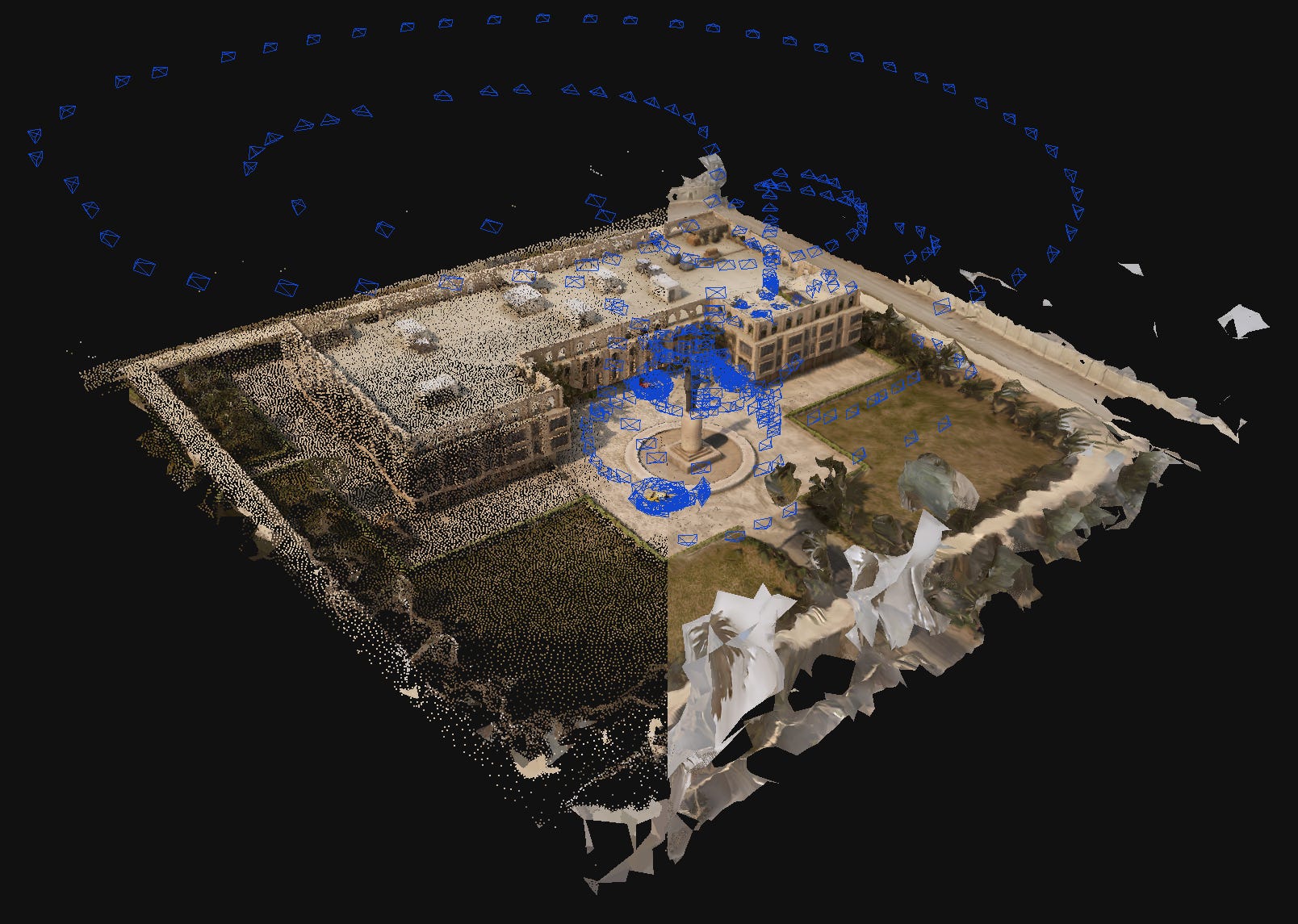
By extracting and isolating elements from these games, I try to present them from a different angle. Once removed from their original context, familiar scenes, Arabic text that becomes meaningless, repeated orientalist imagery, architectural fragments, environments shaped around war, begin to read differently. That decontextualisation is what I’m offering the viewer, a way to highlight patterns otherwise unnoticeable.
Ultimately I’m interested in making visible what usually stays hidden -- both the politics of representation and the technical systems that produce it.